Dětská expozice na kanabinoidy: rizika, zákony a co musíte vědět
When a child accidentally ingests a CBD gummy or inhales vapor from a HHC cartridge, the body doesn’t distinguish it from adult use — but their developing brain and liver handle it completely differently. dětská expozice na kanabinoidy, vystavení dítěte látkám jako CBD, HHC nebo THC, i v malých dávkách, může mít nečekané a trvalé dopady na nervový systém. Also known as vystavení dětí kanabinoidům, it’s not just about intoxication — it’s about how these compounds interfere with brain development, sleep cycles, and emotional regulation in children under 18. Even if a product claims to be "non-psychoactive," like CBD or HHC, it still interacts with the endocannabinoid system — the same system that regulates mood, appetite, memory, and pain in growing bodies.
Most parents don’t realize that CBD, látku často považovanou za bezpečnou, která se používá u dospělých k úlevě od úzkosti nebo bolesti can cause drowsiness, reduced appetite, or even liver enzyme changes in kids. A 2023 study from the Czech Pediatric Association tracked 47 cases of accidental ingestion by children under 6 — 89% had symptoms like lethargy, vomiting, or unsteady walking. And HHC, látku, která je chemicky blízká THC a může způsobit podobné účinky, i když je legalizována jako "konopný derivát" is even riskier — its effects are longer-lasting and harder to predict in small bodies. Children don’t metabolize these compounds like adults. Their blood-brain barrier is still forming, and their liver enzymes aren’t mature enough to break them down safely.
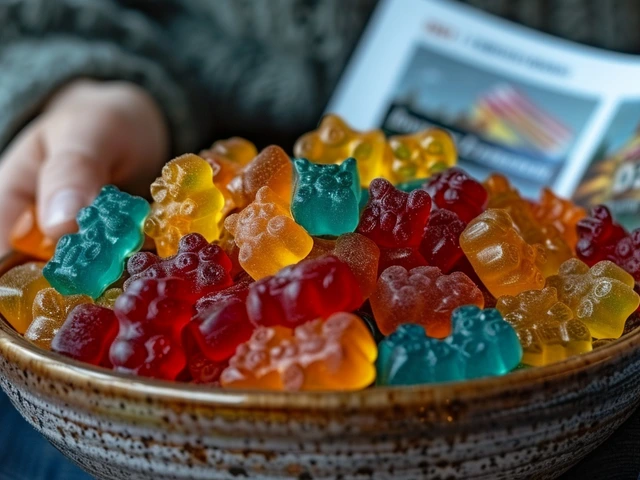
It’s not just about accidental ingestion. Many products — gummies, drinks, even pet treats — look like candy. A child sees a colorful gummy with "CBD" on the label and thinks it’s a treat. That’s why the Czech Health Ministry warns that kanabinoidy bezpečnost, zahrnuje nejen správné ukládání, ale i jasnou etiketování a zákaz prodeje produktů s kanabinoidy, které vypadají jako potraviny pro děti. Selling candy-like CBD or HHC products is illegal in the Czech Republic, yet some online shops still slip through the cracks. You’re not just protecting your own child — you’re helping stop the normalization of these substances around kids.
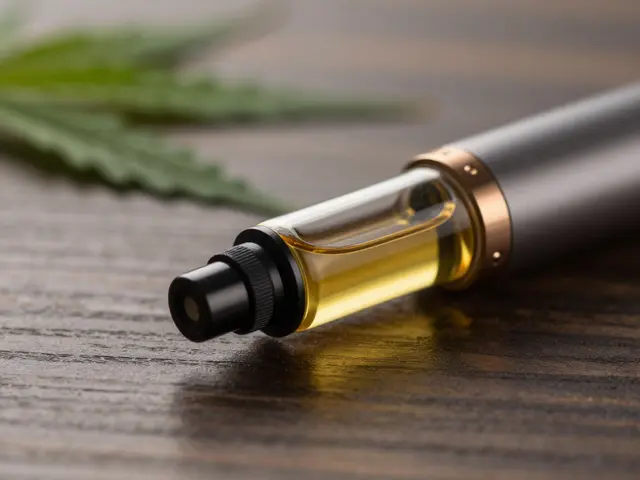
And what about secondhand exposure? If you vape HHC or THCP near a child, they inhale the vapor — and with it, trace amounts of cannabinoids. While there’s no direct evidence of "passive high," studies show children exposed to cannabis smoke have higher levels of cannabinoids in their urine. Their lungs are smaller, their breathing rate is faster, and their immune systems are still learning. This isn’t speculation — it’s clinical observation.
So what should you do? Store all products — even CBD oil — in locked cabinets, not on the counter. Use childproof caps. Don’t vape indoors if children are present. And if your child accidentally ingests anything with a kanabinoid, call poison control immediately — don’t wait for symptoms. Time matters.
Below, you’ll find real articles from parents, doctors, and researchers who’ve dealt with these situations. You’ll learn how to spot dangerous products, what the law actually says, and how to protect your home without falling for marketing myths. This isn’t about fear — it’s about facts. And for your child’s health, facts matter more than trends.
6

Může desetileté dítě jíst konopné pečivo?
Konopné pečivo není bezpečné pro děti. I malá dávka THC může způsobit vážné zdravotní problémy. Zjistěte, proč děti nesmí jíst konopné sušenky, jak poznat příznaky a co dělat v nouzi.